“to be in the country” search results (20000)

El Salvador coffee bean flavor taste manor area introduces boutique coffee Salvadoran coffee
El Salvador's coffee accounts for 40% of the country's exports, and it is usually picked in November, December and January-March of the following year. The export of raw beans lasts almost all year round. Coffee is produced in seven of the country's 14 provinces, with the largest number in the northwestern provinces of chalatenango and santa ana. The coffee produced in El Salvador is 100% Arabica, of which 68% is
2016-07-21 El Salvador coffee beans flavor taste manor producing area introduction boutique coffee
Characteristics of various fine varieties of fine coffee in the world
Coffee beans from all over the world, through different processing methods, provide tasters with a variety of coffee drinks with taste and style. The body is light to plump, and the taste is strong to slightly sour, and so many kinds of coffee are quite puzzling to those who taste coffee for the first time and those who try to distinguish them. However, just as there is a way of tasting wine, coffee beans
2014-09-05 Coffee knowledge world coffee boutique coffee coffee varieties
Introduction of Coffee Flavor description and Grinding degree treatment in Renas Manor of El Salvador
El Salvador's coffee accounts for 40% of the country's exports, and it is usually picked in November, December and January-March of the following year. The export of raw beans lasts almost all year round. Coffee is produced in seven of the country's 14 provinces, with the largest number in the northwestern provinces of chalatenango and santa ana. The coffee produced in El Salvador is 100% Arabica, of which 68% is
2016-10-10 El Salvador Renas Nass Manor Coffee Flavor description Grinding processing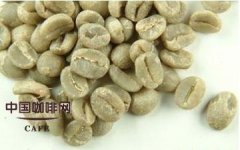
Coffee beans introduce "grass aroma" flavor of Rwandan coffee
Rwandan coffee is absolutely high quality in the form of washed Arabica beans. As far as Africa is concerned, its coffee industry stands out because the country rises and falls by producing the best possible beans. The taste of Rwandan coffee is described as a grassy aroma with tropical climate characteristics. The country's fertile soil and climate help plants grow, and coffee trees seem to be driven
2015-01-31 Coffee beans introduction grass aroma taste Rwanda coffee to
General knowledge of the characteristics of high-quality coffee
Coffee beans from all over the world are processed in different ways to provide tasters with a variety of flavors and styles of coffee drinks. From light to full-bodied, from sour to slightly sour, so many varieties are quite confusing to those who taste coffee for the first time and those who try to distinguish them. However, just as there is a way to taste wine, the lesson of coffee beans
2015-06-05 Coffee fine characteristic boutique common sense from all over the world coffee beans after
Coffee Development History of Rwanda Coffee Culture of Rwanda Coffee Origin of Rwanda
The country mainly produces coffee the country opens the international road with the coffee industry in Rwanda coffee production in Rwanda: there are about 33000 hectares of coffee plantations in Rwanda and 500000 people are engaged in the coffee industry. With good natural conditions of high altitude and fertile volcanic soil, the country's fertile soil and suitable climate contribute to plant growth, and coffee trees seem to be driven or driven.
2016-05-29 Rwanda Coffee Development History Coffee Culture Origin country Major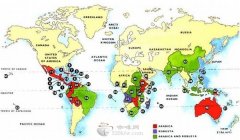
53 coffee producing areas in the world
One. Costa Rican coffee is full of particles, ideal acidity and unique aroma. Tarrazu in Costa Rica is one of the main coffee producing areas in the world. The coffee produced is light and pure in flavor and pleasant in aroma. Costa Rica's volcanic soils are fertile and well drained, making it the first country in Central America to grow coffee and bananas for commercial value. Coffee and Fragrance
2015-01-19 Boutique Coffee Global 53 Origin Introduction Costa Rica Granules
Introduction to El Salvador Coffee Flavor and Taste
El Salvador's coffee accounts for 40% of the country's exports, and it is usually picked in November, December and January-March of the following year. The export of raw beans lasts almost all year round. Coffee is produced in seven of the country's 14 provinces, with the largest number in the northwestern provinces of chalatenango and santa ana. The coffee produced in El Salvador is 100% Arabica, of which 68% is
2016-07-29 El Salvador coffee flavor taste introduction manor producing area
The rich aroma of Salvadoran coffee introduces the coffee producing area of El Salvador.
El Salvador's coffee accounts for 40% of the country's exports, and it is usually picked in November, December and January-March of the following year. The export of raw beans lasts almost all year round. Coffee is produced in seven of the country's 14 provinces, with the largest number in the northwestern provinces of chalatenango and santa ana. The coffee produced in El Salvador is 100% Arabica, of which 68% is
2016-07-27 Rich aroma El Salvador coffee flavor taste introduction producing area
Description of coffee flavor of Mercedes Manor in El Salvador with moderate sour and sweetness characteristics of grindability in producing areas
The rainbow in the sky overflows with joy and hope. Five Central American federal flags revolve around the national emblem, expressing El Salvador's desire to reorganize the federation. At the bottom is a yellow ribbon with God, unity and freedom written in Spanish, green laurel branches and leaves around the periphery of the triangle, making the national emblem round, and the outermost golden Spanish with the name of the Central American Republic of El Salvador.
2016-09-28 Sweet and sour moderate El Salvador Mercedes des Manor coffee flavor description taste
There is a similar set of methods and standards for coffee bean appreciation
Coffee beans from all over the world, processed in different ways to provide a variety of tastes and styles of coffee drinks. From light to full, from strong to slightly sour, the variety is bewildering to coffee drinkers and to those trying to distinguish their characteristics. However, just as there is a way to taste coffee, there is a way to taste coffee.
2015-09-23 coffee fine characteristics coffee beans appreciation have a set similar method standard come
Introduction to the characteristics of El Salvador boutique coffee bean flavor and taste manor
El Salvador's coffee accounts for 40% of the country's exports, and it is usually picked in November, December and January-March of the following year. The export of raw beans lasts almost all year round. Coffee is produced in seven of the country's 14 provinces, with the largest number in the northwestern provinces of chalatenango and santa ana. The coffee produced in El Salvador is 100% Arabica, of which 68% is
2016-08-05 Entrance smooth El Salvador boutique coffee beans flavor taste manor producing area
Introduction of boutique Salvadoran coffee with low density and low hardness
El Salvador's coffee accounts for 40% of the country's exports, and it is usually picked in November, December and January-March of the following year. The export of raw beans lasts almost all year round. Coffee is produced in seven of the country's 14 provinces, with the largest number in the northwestern provinces of chalatenango and santa ana. The coffee produced in El Salvador is 100% Arabica, of which 68% is
2016-07-04 Density small hardness boutique El Salvador coffee introduction
Introduction of Bolivian Coffee producing countries with the name of Alpine country
In boutique coffee, Bolivian coffee is described in this way; Bolivia, located on the southeast side of Peru, is an alpine country. La Paz (capital) is 3660 meters above sea level. Coffee cannot be grown in such a cold place. But YUNGAS, northeast of La Paz, borders the Amazon basin. The altitude is a little lower. About 1500-2500 meters. The average annual temperature is about 10-15 degrees without frost damage in winter. The fertile soil is Bolivid.
2016-06-29 Alpine country name Bolivia Coffee producing country introduction boutique Learning
Introduction to the flavor of Salvadoran coffee the characteristics of Salvadoran coffee in Salvadoran coffee producing area
El Salvador's coffee accounts for 40% of the country's exports, and it is usually picked in November, December and January-March of the following year. The export of raw beans lasts almost all year round. Coffee is produced in seven of the country's 14 provinces, with the largest number in the northwestern provinces of chalatenango and santa ana. The coffee produced in El Salvador is 100% Arabica, of which 68% is
2016-07-27 El Salvador coffee flavor introduction producing area characteristics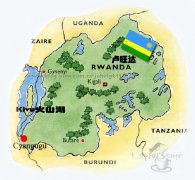
Boutique Rwandan coffee
Rwandan coffee is absolutely high quality in the form of washed Arabica beans. As far as Africa is concerned, its coffee industry stands out because the country rises and falls by producing the best possible beans. The taste of Rwandan coffee is described as a grassy aroma with tropical climate characteristics. The country's fertile soil and climate help plants grow, and coffee trees seem to be driven
2014-09-25 Boutique Rwandan coffee
Coffee bean common sense "grass aroma" flavor of Rwandan coffee
Rwandan coffee is absolutely high quality in the form of washed Arabica beans. As far as Africa is concerned, its coffee industry stands out because the country rises and falls by producing the best possible beans. The taste of Rwandan coffee is described as a grassy aroma with tropical climate characteristics. The country's fertile soil and climate help plants grow, and coffee trees seem to be driven
2015-05-09 Coffee beans common sense grass aroma taste Rwanda coffee
Introduction of balanced and soft Salvadoran coffee bean flavor manor area
El Salvador's coffee accounts for 40% of the country's exports, and it is usually picked in November, December and January-March of the following year. The export of raw beans lasts almost all year round. Coffee is produced in seven of the country's 14 provinces, with the largest number in the northwestern provinces of chalatenango and santa ana. The coffee produced in El Salvador is 100% Arabica, of which 68% is
2016-07-25 Balanced soft El Salvador coffee beans flavor taste manor producing area introduction
Introduction to the characteristics of high-quality coffee beans in the producing area of balanced and soft Salvadoran coffee
El Salvador's coffee accounts for 40% of the country's exports, and it is usually picked in November, December and January-March of the following year. The export of raw beans lasts almost all year round. Coffee is produced in seven of the country's 14 provinces, with the largest number in the northwestern provinces of chalatenango and santa ana. The coffee produced in El Salvador is 100% Arabica, of which 68% is
2016-09-23 Balanced soft El Salvador coffee variety producing area boutique coffee beans characteristics
Description of the flavor of Rwandan coffee with "grass aroma" flavor
Rwandan coffee is absolutely high quality in the form of washed Arabica beans. As far as Africa is concerned, its coffee industry stands out because the country rises and falls by producing the best possible beans. The taste of Rwandan coffee is described as a grassy aroma with tropical climate characteristics. The country's fertile soil and climate help plants grow, and coffee trees seem to be driven
2015-03-20 Grass aroma taste Rwanda coffee flavor description